SPTS GAME GUIDE
HOW THE GAME WORKS
Choose a fighter, distribute your attribute points and turn the same character into a completely different build every match.
POINTS
Your points decide how this version of the character fights.
Every match begins with a fresh strategic decision.
ATTRIBUTE POINTS
Spend all of them, save some, or put the entire budget into one stat. Only integer values are accepted and zero is allowed.
Choose a character card
Read the fighter identity, traits, skills and transformations before committing.
Create a match build
Distribute the shared point budget into universal stats and relevant combat families.
Fight through your choices
Damage decides power. Mastery decides how reliably each declared mechanic is executed.
Universal rules shared by every playable build.
HP
100,000 base + 15,000 per point
Determines maximum health. Every invested point adds 15,000 HP to the natural base of 100,000 HP.
SPEED
16 base + 0.5 every 15 points
Determines locomotion speed and the speed of physical attacks. Speed increases in steps: every complete group of 15 invested points adds 0.5 to the general Speed result.
DEFENSE
0% base + 0.07% per point
Provides universal damage reduction. Every invested point adds 0.07 percentage points of reduction, up to a maximum of 80%. Defense applies independently of attack family.
GUARD
1% base + 0.13% per point
Only characters with a guard or parry system receive this stat. A defensive skill may replace its Guard rule.
The skill is a plain default defence and names no number of its own.
The skill declares an absolute percentage, for example 80%.
The skill declares a multiplier, for example +5× reduction.
The 75% cap is on the points, not on the reduction. It is as far as buying can take you. A skill that overrides or scales is not bound by it, because it did not buy it — it spent a slot, a cooldown and a window instead. A character with no guard system has Guard 0, so inherit and scale both land on nothing: those two read the stat. Override still works, because a skill that brought its own number never needed it.
Power and execution are separate investments.
DAMAGE
POINTS × 75Every Damage result represents direct HP loss only.
MASTERY
POINTS × 1Skills declare how Mastery affects precision, clashes, reliability, range, duration, target count and other execution rules.
Damage always means HP loss. Poison, fear, time stop, control, mutation and other special effects belong to the skill itself.
MASTERY IS A CONTRACT, NOT A FIXED LIST
Mastery is not a set of effects the game implements once. Every skill declares what its Mastery does, and the family it belongs to decides which of those declarations make sense by default. Three layers, in this order.
A closed vocabulary of thirteen execution axes, each with one default curve shared by every family. Thirteen numbers to balance instead of eighteen families.
Each family names, in its own Mastery text, which of those axes it governs. An axis it does not name has no default effect at all.
A skill overrides the curve, or declares an axis its family does not govern. That is allowed on purpose — what is not allowed is getting the effect without saying so.
The number is how many families name that axis in their own Mastery text. Reliability is the only one all eighteen name. An axis a family does not name is not a small effect — it is no effect, until a skill declares it out loud.
Mastery moves numbers. Immunity is a layer decision. Mastery never buys permission. Six families repeat almost the same sentence: it does not automatically bypass resistance, immunity or explicit special rules. Piercing something is a job for a trait, a skill or a transformation that says so.
Every discipline has its own Damage and Mastery tracks.
All eighteen families share the same multipliers. Damage ×75 and Mastery ×1, without exception. A family is not a number, it is a vocabulary: what changes between two of them is which fiction they cover, which Mastery axes they govern, and which families they combine with.
Energy
Generic projected or internal energy systems such as chakra, ki, aura, spiritual force, natural energy and other energy-based power sources.
Determines direct HP damage caused by energy attacks, including blasts, spheres, waves, constructs and energy-infused strikes.
May govern energy formation, concentration, stability, range, duration, clashes, projectile control, resource efficiency and failure chance when declared by the skill.
Use the real JSON rules to test an investment.
resultValue
How hybrid skills, clashes and defenses stay readable.
Every family costs the same
All eighteen share Damage ×75 and Mastery ×1. A family is a vocabulary, not a coefficient.
What differs is which Mastery axes it governs.Hybrid damage adds together
When an effect declares multiple Damage families, their resultValue values are summed in full.
Splitting points across two tracks is what pays for it.Masteries keep separate jobs
Multiple Masteries do not become one giant number. The skill declares what each family controls.
Magic controls casting; Elemental controls the fire itself.Clash is not universal
Only eight families name clashes. The other ten never clash unless a skill of theirs declares it.
Melee, Blade, Weapon, Ranged, Gun, Energy, Elemental, Cosmic.Multi-hit uses one total
By default, family Damage is added once and the final total is distributed across every hit.
A skill can explicitly override this and apply scaling per hit.Immunity needs an explicit bypass
Mastery never defeats resistance or immunity on its own, however high it goes.
Only a trait, special rule, skill or transformation can bypass it.Guard is optional and replaceable
Defense is universal. Guard belongs only to characters with a guard or parry system, and a defensive skill inherits, overrides or scales it.
The 75% cap limits points, not a skill.Skills own special effects
The stat system supplies measurable power and control without hiding unique mechanics inside generic stats.
Poison, summons, time stop and healing remain skill rules.The family that decides how much and the family that decides how well are two separate fields, and one skill can hold several pairs.
The blade does the cutting, the throw decides whether it lands.
Both damage tracks add up in full. You paid points into both, and the shared budget already charged you for it.
Same skill, different pair. If the fire is just fire, the magic never touches the burn.
Only eight of the eighteen families name clashes at all: Melee, Blade, Weapon, Ranged, Gun, Energy, Elemental and Cosmic. The other ten never clash by default, and a skill of theirs that wants to has to declare it.
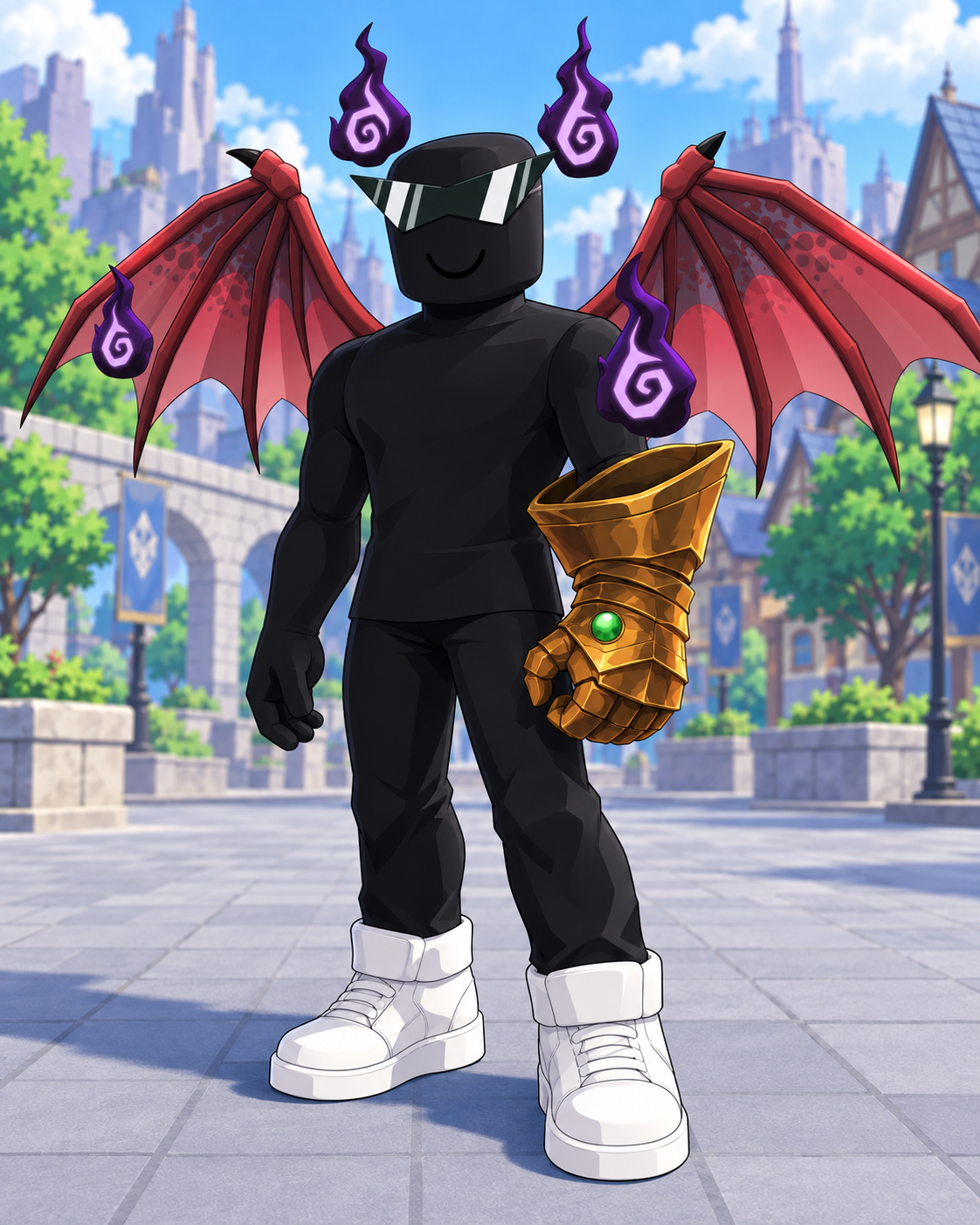
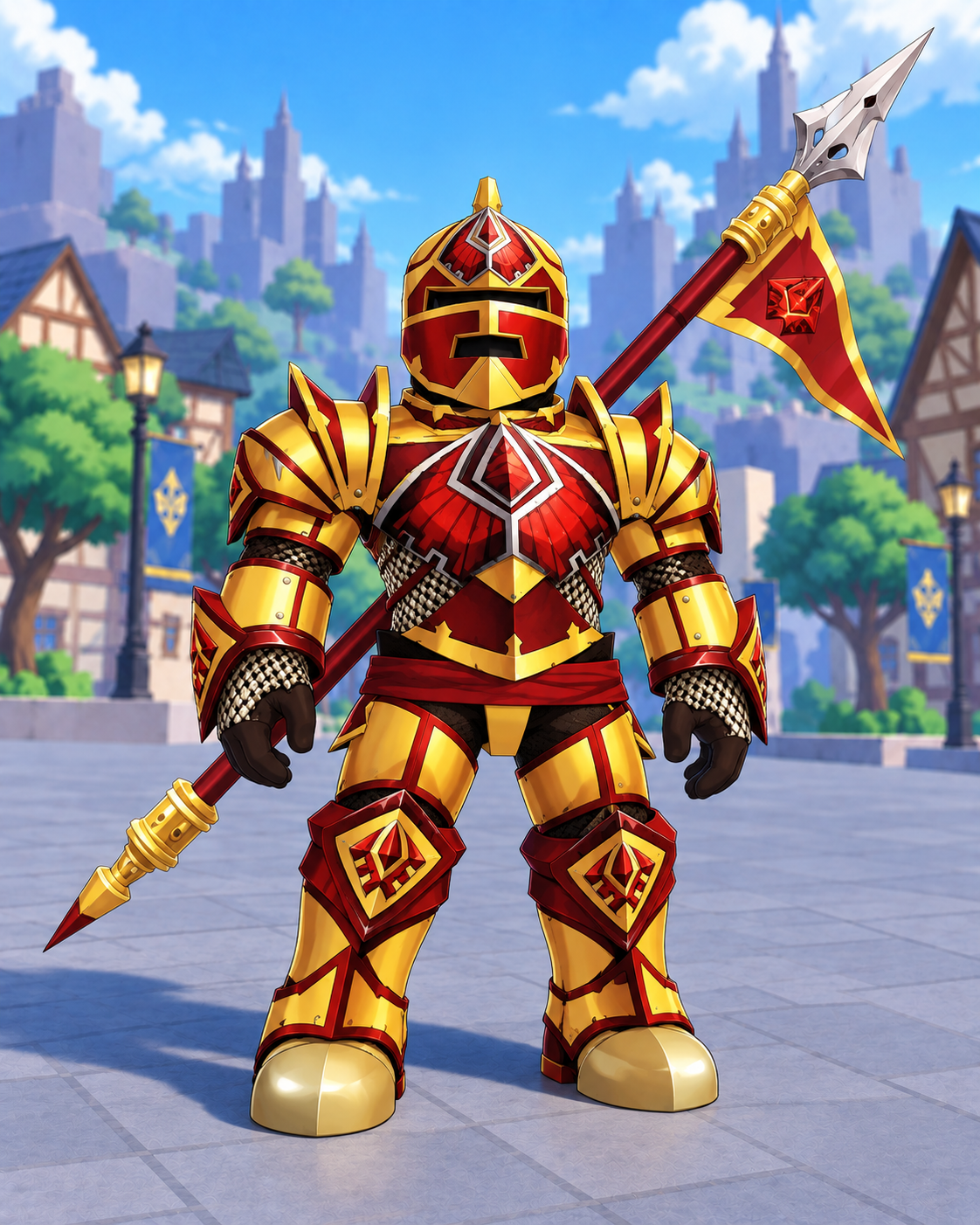
The game presents playable creations as cards, not a wall of text.


Bosses use the same combat language, then add encounter intelligence.
A boss sheet contains
Phases, reactions, targeting, counterplay, skill priorities and arena rules define how the fight actually behaves.
Browse bossesTHE COMPLETE LOOP